
Boosting Engine Performance for Better Gas Mileage
Improving fuel efficiency is a priority for most car owners. High gas prices and environmental concerns make it important to get the most out of every gallon. A well-maintained vehicle not only runs better but also uses less fuel. Regular maintenance, including specific services like adjusting engine components, plays a crucial role in this process. Let’s explore how keeping your vehicle in top shape can lead to significant improvements in fuel consumption.
Understanding Basic Maintenance Benefits
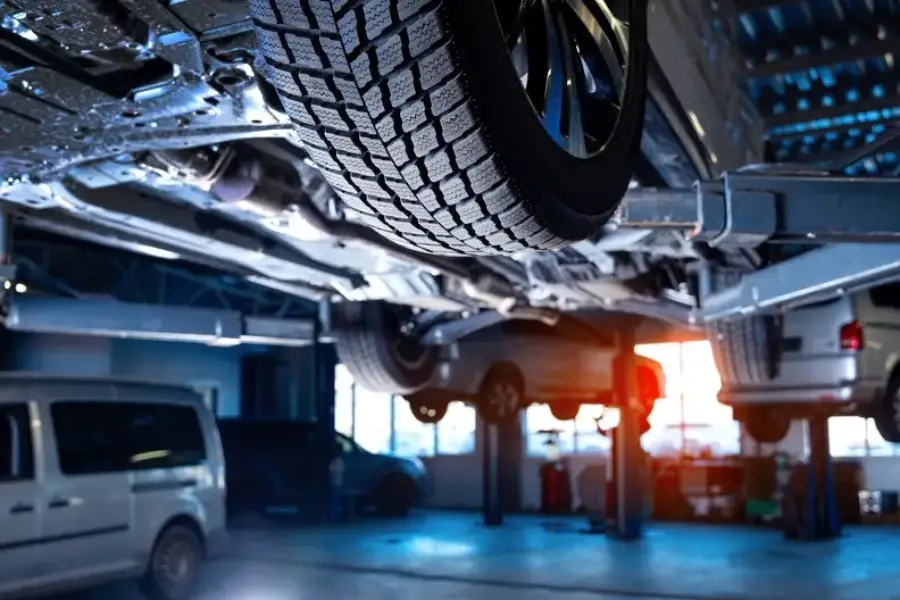
A regular service schedule helps your vehicle run smoothly. It involves checking and replacing parts that wear over time. This practice can improve your car’s overall performance and prevent future issues. Part of this routine includes ensuring all engine components are working efficiently together. When everything functions correctly, your car doesn’t have to work as hard, leading to better gas mileage.
The Role of Car Tune-Up in Fuel Economy
When you bring your vehicle in for a car tune-up, mechanics focus on improving its operation. They adjust and replace parts that may cause inefficiencies. A well-tuned engine uses less energy to perform the same tasks as an untuned one. This results in using less fuel for the same amount of driving, which directly contributes to better fuel economy.
Optimizing Engine Health With Regular Service
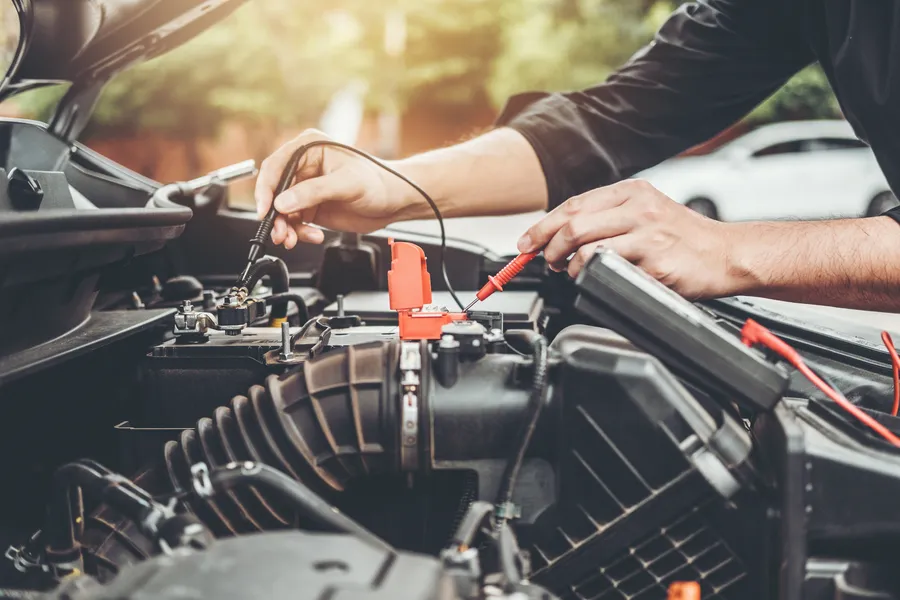
During a car tune-up, technicians check various components such as spark plugs and air filters. Clean spark plugs ensure a smooth ignition process, while proper air filter replacement allows the engine to breathe freely. Both actions reduce the energy required for combustion, thus enhancing fuel efficiency. These small adjustments make a big difference in how much fuel your vehicle consumes.
Key Components Affecting Fuel Usage
- Spark Plugs: Ensure efficient ignition for optimal fuel use.
- Air Filters: Allow maximum airflow to support complete combustion.
- Fuel Injectors: Keep clean for precise fuel delivery.
- Tire Pressure: Maintain correct levels to reduce rolling resistance.
- Oil Changes: Use the right oil to minimize friction inside the engine.
Tackling Common Challenges in Vehicle Maintenance
One common issue is neglecting regular maintenance due to cost or time constraints. However, skipping these checks often leads to bigger expenses down the line. Cars become less efficient, consuming more fuel and possibly encountering costly repairs. Implementing regular check-ups can help avoid such problems, saving money and stress in the long term.
Best Practices for Maintaining Your Vehicle’s Efficiency
To keep your car running optimally, follow these best practices:
- Schedule regular maintenance appointments.
- Check tire pressure monthly.
- Use recommended grades of motor oil.
- Replace air filters as needed.
- Inspect and replace spark plugs periodically.
Considering Long-Term Cost Savings
Investing in regular service might seem expensive upfront, but it’s worth it when you consider the savings on fuel costs over time. Improved fuel economy means fewer trips to the pump. Additionally, maintaining your vehicle prolongs its lifespan, reducing the need for early replacements. The cumulative effect is substantial financial savings over the years.
Your Path to Enhanced Fuel Efficiency Starts Here
With consistent attention to your vehicle’s needs, you can significantly boost its efficiency and longevity. Trust JQ Mobile Auto Repair to handle all your automotive care requirements expertly. Located in Wilton Manors, FL, we specialize in ensuring that each car performs at its best. Call us today at (954) 569-7817 to schedule your next service and experience the benefits firsthand.